
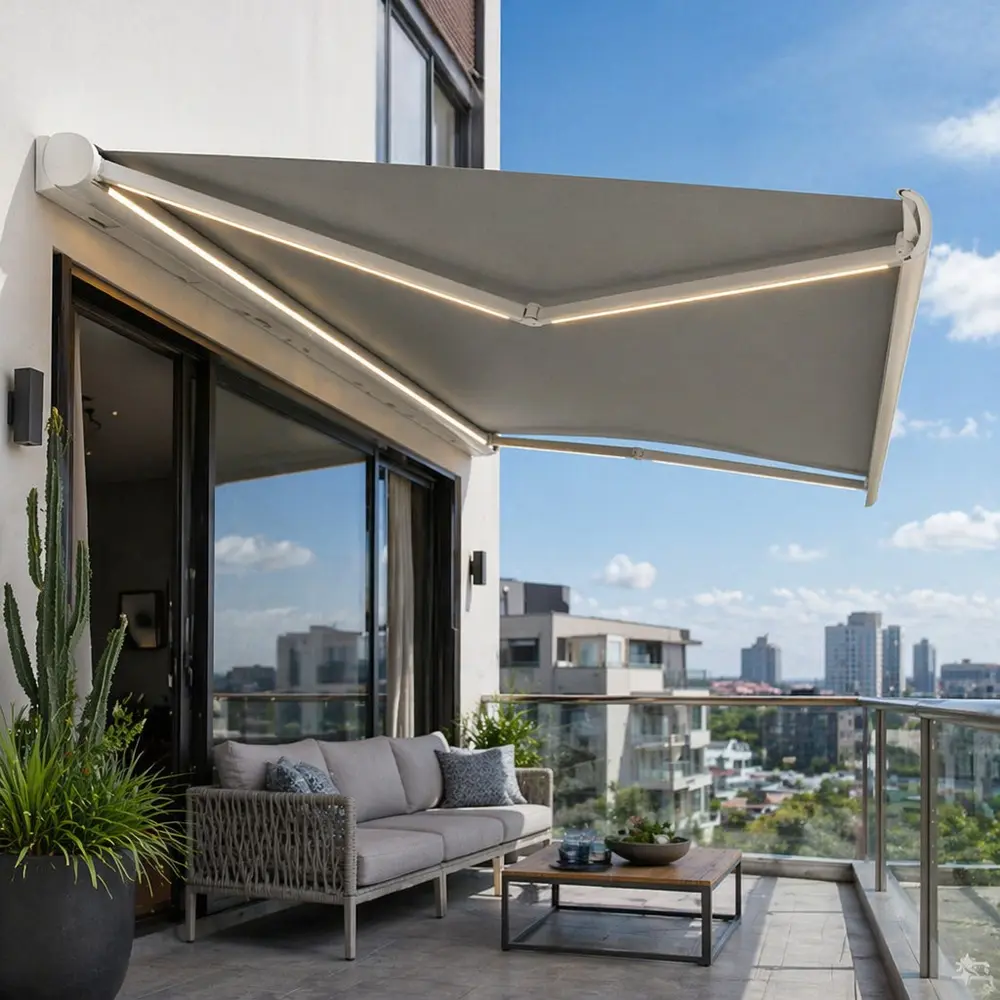
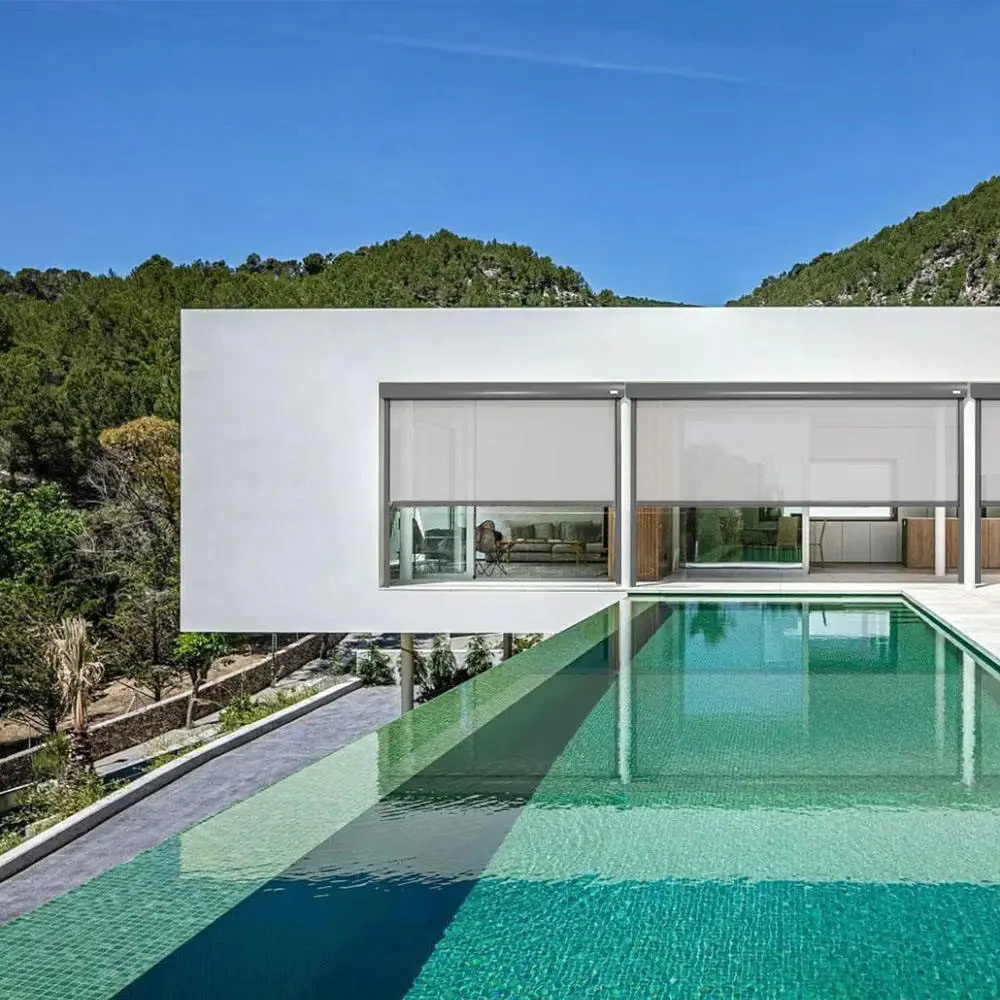
Are outdoor sun shading products worth buying? We break down controversial complaints about outdoor roller shades, wind issues, cost myths and real‑world performance for homeowners and commercial buyers.
Many homeowners and commercial buyers hold mixed opinions on outdoor sun shading products. Some praise exterior solar shades for cutting heat gain and lowering air‑conditioning bills, while others share frustrating reviews about fabric tearing, wind damage, high costs and tricky installation.
No product works perfectly for every climate and building. This article covers the most controversial points around outdoor roller shades, separates marketing hype from real facts, and helps you avoid common mistakes when shopping for custom outdoor shades.
H2: The Top Controversies Surrounding Outdoor Sun Shading Products
H3: Controversy 1: Great heat‑blocking performance, yet vulnerable to wind damage One of the biggest debates for retractable outdoor shades is wind resistance.
Proponents confirm that well‑built exterior solar shades block solar heat before it hits window glass, reducing indoor heat gain by up to 70% in hot seasons. Unlike indoor blinds, outdoor sun shading stops radiant heat outside instead of trapping it inside your room.
On the negative side: fabric‑based patio roller shades act like sails when strong gusts hit. Many bad reviews come from customers installing low‑grade units in high‑wind zones without auto‑wind sensors. Cheap fabrics rip, brackets bend, and roller tubes deform under sudden wind.
This creates a widespread argument: are outdoor blinds unreliable in windy locations? The truth is not all wind‑resistant outdoor blinds are equal. Budget versions offer almost no wind tolerance, while heavy‑duty custom‑built systems with reinforced fabric, sturdy aluminum frames and wind sensor motors can handle harsh weather conditions. The problem is rarely the whole product category, but mismatched product selection for local climate.
H3: Controversy 2: High upfront price vs long‑term value debate Cost is another heavily discussed topic for outdoor sun shading products.
Many buyers feel sticker shock when getting quotations for custom outdoor shades. Compared to indoor window treatments, exterior systems require weather‑proof fabric, corrosion‑resistant aluminum components, heavy‑duty mounting hardware and optional electric motors. Initial investment is noticeably higher.
Critics argue: “Why pay so much for outdoor roller shades when cheap indoor blinds cost a fraction?”
Advocates point out the lifecycle difference. Qualified outdoor‑rated fabrics carry UV‑stabilized coating, resisting fading and mildew for 8‑15 years. Indoor blinds installed outdoors will break within 1‑3 years under UV, rain and humidity exposure. Cheap outdoor alternatives need frequent replacement, which accumulates higher total cost over time.
The controversy arises because most customers only compare upfront price, ignoring long‑term durability and energy‑saving benefits.
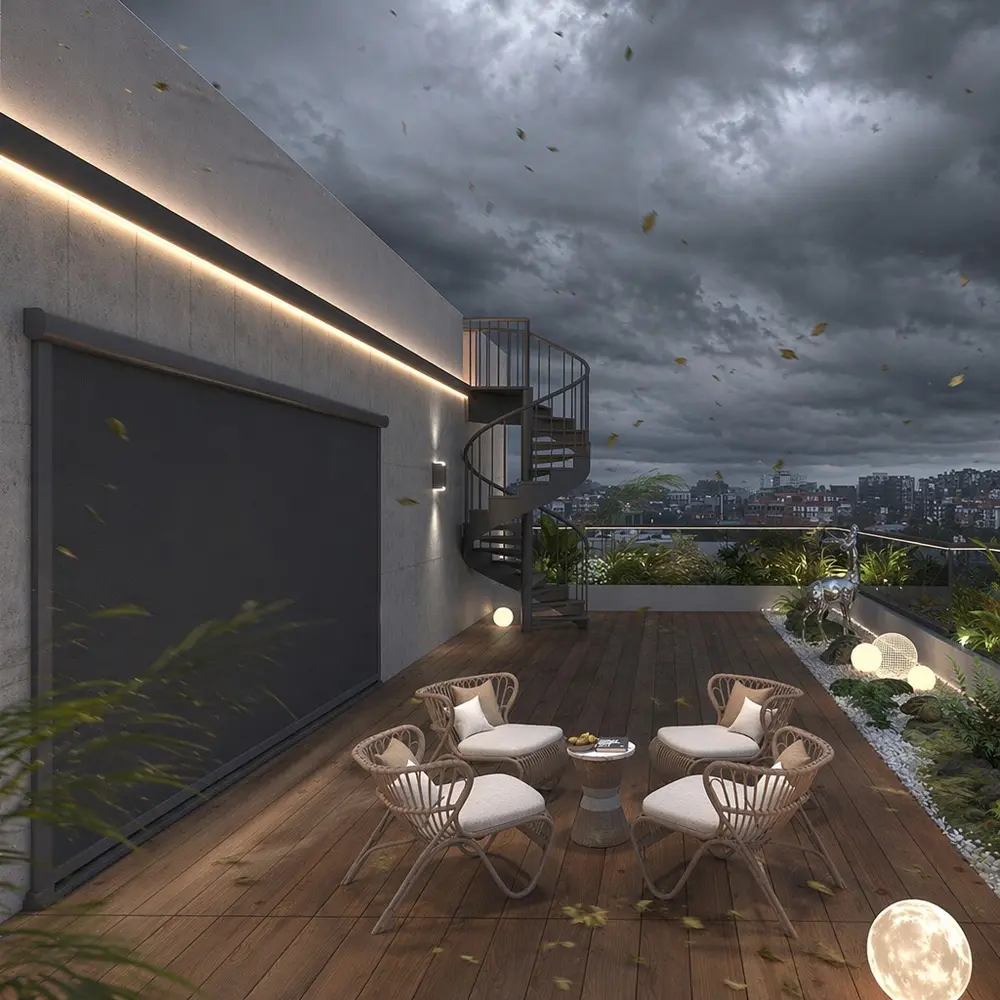
Controversy Confusing marketing claims: Waterproof, UV‑proof and smart motor myths Plenty of disputes come from misleading product descriptions across the outdoor shading industry.
Many retractable outdoor shades are labelled “waterproof”. In reality, most solar mesh fabrics are water‑repellent instead of fully waterproof. Heavy rainfall may pass through stitching seams. Buyers expecting full rain‑blocking performance end up disappointed.
Smart motor functions create another source of complaints. Some sellers over‑advertise automated outdoor roller shades with wind‑rain sensors. Low‑cost smart kits have poor‑calibrated sensors, failing to retract shades when dangerous wind arrives. Customers pay premium prices for smart features that barely work in real scenarios.
Another frequent misunderstanding: openness factor of exterior solar shades. Shoppers expect full privacy day and night. Solar outdoor shades deliver daytime privacy, yet interior lights will reverse visibility at night, allowing outsiders to look inside the room. This mismatch between expectation and real function generates lots of negative feedback.
Controversy Measurement & installation failures ruin user experience Even premium outdoor sun shading products get bad reviews due to sizing and mounting problems.
Custom‑measured patio roller shades demand precise dimension survey. Wrong measurements, weak wall substrates, improper bracket installation lead to sagging fabric, uneven rolling, shaking and noise during windy days.
DIY installation is a major pain point. Many online‑sold outdoor blinds ship without professional installation guidance. Homeowners mount units onto thin siding or hollow walls. Under wind load, the whole assembly may pull away from building walls, bringing safety risks.
This sparks debate: are outdoor roller shades hard to install? For experienced contractors, installation is straightforward. For untrained DIY users, custom exterior shading systems are far more complex than regular indoor blinds.
Who Should (and Should Not) Invest in Outdoor Sun Shading Products
Good fit for these scenarios
- Homes, patios, pergolas and commercial buildings suffering severe solar heat gain
- Properties where you want to preserve outward view while blocking UV rays and glare
- Projects with solid mounting walls, moderate‑to‑low wind or willingness to select wind‑resistant heavy‑duty models
- Long‑term occupants who value energy saving and long service life
Think twice before purchasing
- Locations with constant extreme gusts, if you plan to buy entry‑level non‑reinforced outdoor roller shades
- Temporary short‑term use, where high upfront custom cost cannot be justified
- Buildings with fragile wall surfaces that cannot support heavy mounting brackets
How to Avoid Common Pitfalls When Buying Custom Outdoor Shades
- Match product specification to your local wind and rainfall conditions. Ask suppliers for wind‑rating data instead of only looking at pictures.
- Clarify marketing wording: distinguish water‑repellent vs fully waterproof fabric; understand openness factor and night‑time privacy limits.
- Evaluate total lifecycle cost instead of only comparing initial offer price. Check fabric UV rating, aluminum alloy thickness, motor brand and warranty coverage.
- Confirm mounting structure before ordering. Check whether your wall is solid enough for installing outdoor roller shades.
- If you pick motorized retractable outdoor shades, verify sensor sensitivity and real‑world test cases from the manufacturer.
Final Thoughts Outdoor sun shading products remain controversial because expectations often outrun product limits. Exterior solar shades deliver unmatched thermal efficiency, yet they are not one‑size‑fits‑all magic solutions.
Negative experiences mostly come from picking wrong‑grade products for your climate, misunderstanding marketing terms or poor installation. When you select properly specified custom outdoor shades from reliable manufacturers, they become a high‑value upgrade for residential and commercial outdoor spaces.